
Therapy is not for everyone. Here's why.
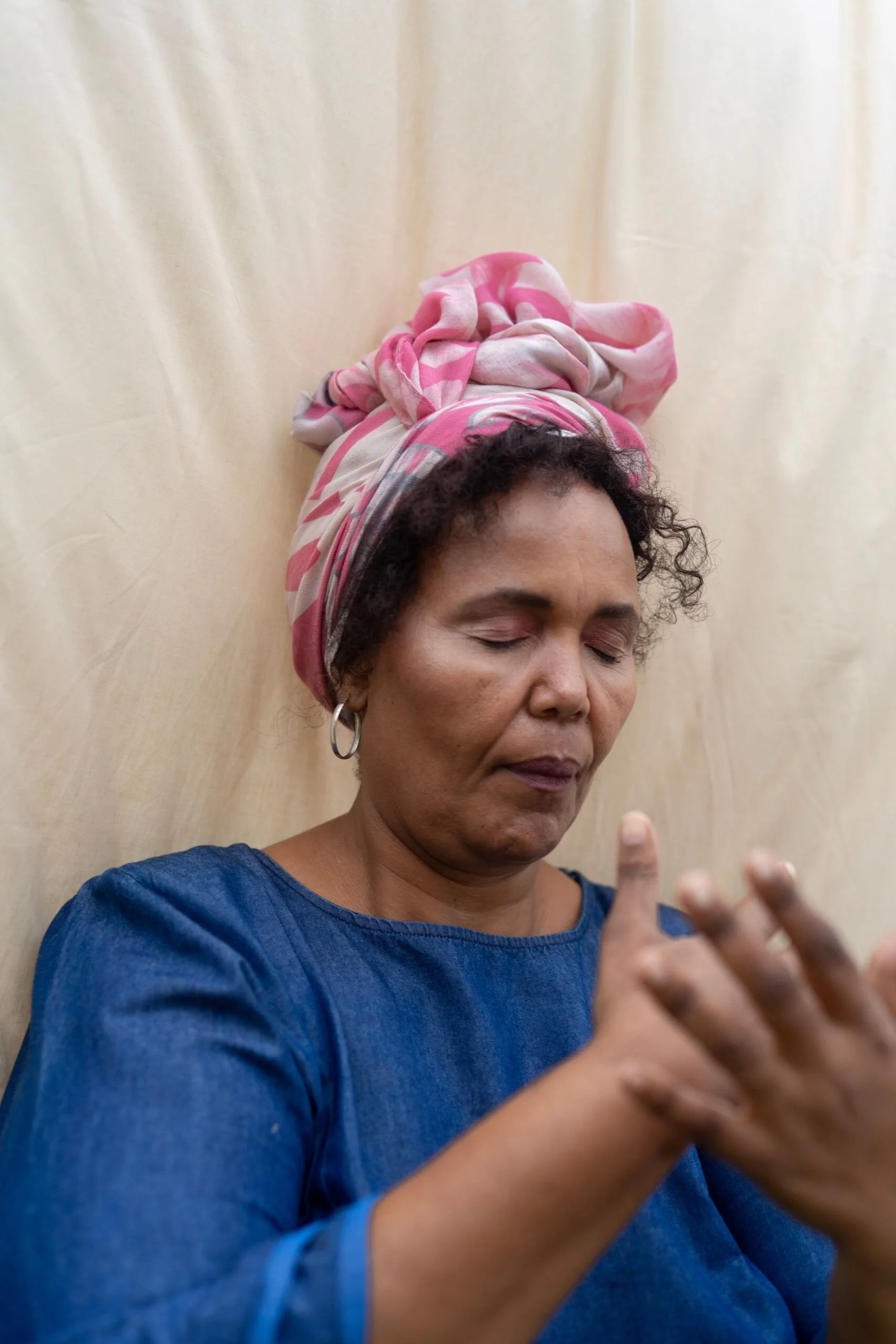
There is a big push on social media for everyone, especially communities of color, to go to therapy. However, going to therapy is not for everyone. Here’s why.
My First Therapy Experience
My first therapy experience was in college. I saw a black male who was a licensed professional counselor. Unfortunately, my experience with him was disheartening. He didn’t seem to care about how my culture informed my behaviors and perspectives. As a youth, I didn’t hear many conversations about people going to therapy. So I never knew what the experience was like. All I knew was therapists and psychologists were people who pried into black folks’ business. And they were often too quick to assign psychological diagnoses, like schizophrenia or ADHD, to people of color. They were not deemed safe, and most people of color did not trust them.
But there is some truth to why people of color, especially black African Americans, are resistant to therapy. Between 1932 and 1972, Black people were involved in the Tuskegee syphilis experiment. This experiment involved 600 Black men, and of the 600 – 399 men had syphilis, and 201 did not have it. Researchers promised the men that they would treat their symptoms. While they received free medical exams, meals, and burial insurance, they never received treatment for the disease.
This experiment created a level of distrust between black people and the medical field, which bleeds into the mental health field. The Tuskegee syphilis experiment communicated to black people that our care is not to be entrusted to non-black healthcare professionals. Even the APA (American Psychological Association) released an apology for the role they’ve played in perpetuating racial discrimination in mental health.
Now, fast-forward to the present. Most people these days, especially millennials, are pro-therapy. Black people are joining the medical field and changing the narrative.
The research says that therapy may:
Improve mental health and overall well-being
Help families successfully navigate problems and conflict, and establish healthy boundaries
Reduce instances of self-injury, and the occurrence of suicide attempts, and lessen hospital stays
Help couples reduce relationship distress, and may increase communication
And the list can go on. However, there is something that troubles me as a Black marriage and family therapist. Therapy is not the only method to improve mental health and overall well-being. Some individuals of color may benefit from therapy, and others may benefit from community mental health education. When I think about my church aunties and uncles, I can say for a fact that they most likely would not go to therapy. However, they might be more receptive to a seminar held by a mental health professional. They might even be open to a mental health assessment at a community health fair. As a black behavioral health professional, I recognize that change and growth can happen outside of seeing a therapist.
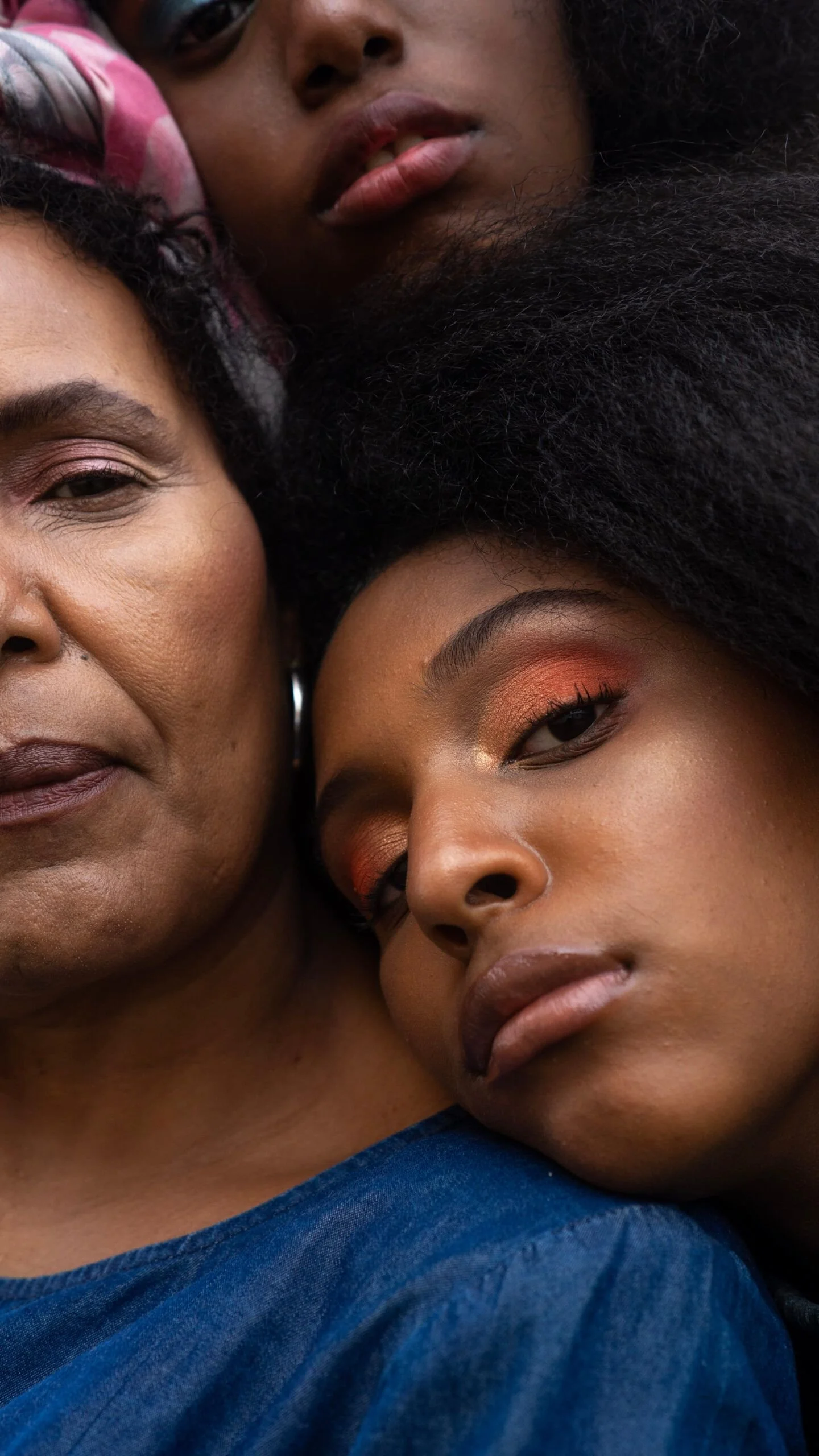
Mental health is about meeting people where they are.
Over the years, I’ve met families that harbor anger and animosity toward other members who don’t believe in therapy. I’ve heard individuals say, “Oh, they need to see a therapist, or they’ll never change!” While that statement might be true for some, it isn’t true for everyone. We must start expanding conversations about mental health beyond the therapist’s office. We have to start meeting people where they are.
For some families, healing might involve dinner conversations about family patterns. In couple relationships and marriages, healing might involve attending a small group with other couples experiencing similar issues. For the younger generation, healing may involve mentorship from an older person who has done therapy. Experiences such as health fairs, prayer groups, seminars, and panel discussions can improve mental health.
I’m grateful that I gave therapy another try because I can see how it has impacted my life & family. I can see how my willingness to be transparent about my mental health inspired courage in others.
God can use us to be agents of change.
Our existence can influence others if we are intentional. My intention for this message is not to discourage those who see therapy as a helpful resource. But it is a call to be empathetic to those who are resistant to it and find another way to encourage healing and change.
